Factors That Influence Car Loan Rates
Lenders determine your car loan interest rate based on several factors. Your credit score and history are the most important, but lenders also look at your income, current debts, and how much you're putting down. These factors help lenders assess the risk of lending to you. A lower credit score or a higher debt-to-income ratio points to higher risk, which typically results in a higher interest rate.
The vehicle itself also matters. Used cars generally come with higher rates than new cars because they depreciate over time, which can affect the lender's recovery if you default.
Loan term length also affects your rate. Shorter terms—such as 36 or 48 months—usually come with lower interest rates, while longer terms like 72 months often carry higher rates. While a longer term reduces your monthly payment, it increases the total interest you pay over the life of the loan.
- Credit score and credit history are the primary factors.
- Income, debts, and down payment also influence the rate.
- Used cars and higher-mileage vehicles typically have higher rates.
- Shorter loan terms typically mean lower rates.
- New vehicles often qualify for lower rates than used ones.
Sources: Consumer Financial Protection Bureau
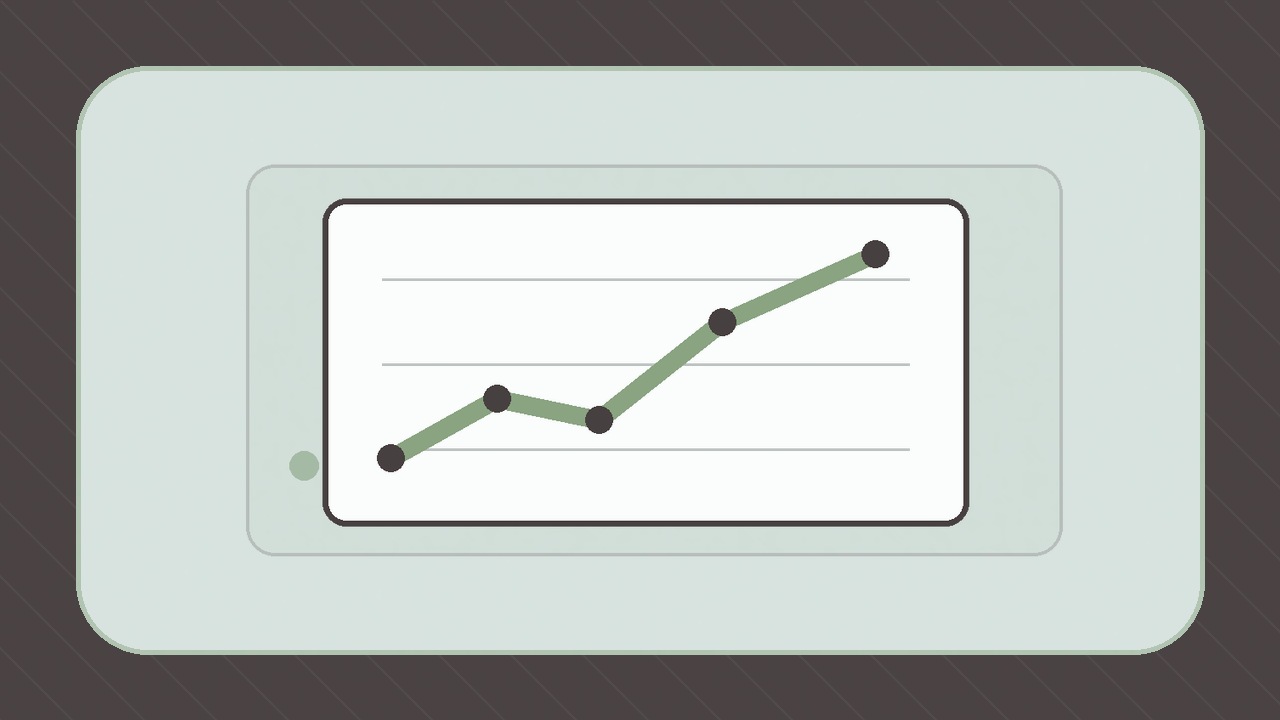
Average Rates by Credit Score (Current Range)
The following table shows illustrative average APRs for new and used car loans across credit bands. The ranges are compiled from different sources and reflect data from early to mid-2026. Because lenders use different criteria and rates change frequently, your actual rate will vary; use these figures only as a rough guide.
| Credit Score Band | New Car APR | Used Car APR |
|---|---|---|
| Excellent (781+) | 4.55% – 7.40% | 6.30% – 8.03% |
| Very good (740-780) | 4.55% – 7.40% | 6.30% – 7.81% |
| Good (670-739) | 8.52% – 9.67% | 8.77% – 10.57% |
| Fair (580-669) | 9.83% – 18.37% | 13.92% – 21.72% |
| Poor (below 580) | 21.54% – 24.06% | 21.77% – 24.06% |
Sources: Experian, LendingTree
New vs. Used Car Rates
Used car loans almost always come with higher interest rates than new car loans. Why? Used vehicles have already depreciated and may have higher maintenance costs, making them riskier for lenders. As a result, the same borrower might see a rate several percentage points higher on a used car compared to a new one.
For example, in Q1 2026, the average new car loan rate was about 6.39% APR, while the average used car loan rate was 11.43% APR, according to Experian data. The gap narrows for borrowers with excellent credit but remains significant as credit scores drop.
When shopping for a used car, you can still improve your chances of a lower rate by considering a shorter term or a newer vehicle with fewer miles. Lenders may also charge a premium if the car is older than five years or has more than 75,000 miles.
Sources: Experian
Rate Variations by Loan Term
Loan term length is a major factor in your interest rate. In general, the shorter the term, the lower the rate. For example, a 36-month used car loan for excellent credit might range from 5.49% to 7.49% APR, while a 72-month loan for the same credit profile could range from 6.99% to 9.49% APR, according to Broadview Federal Credit Union.
The trade-off is monthly payment versus total interest. A longer term lowers your payment, but you'll pay much more in interest over the life of the loan.
When comparing offers, look at the APR and total interest cost, not just the monthly payment. A lower payment may seem attractive, but it could cost you thousands more in the long run.
| Loan Term | Monthly Payment (approx.) | Total Interest |
|---|---|---|
| 36 months | $597.18 | $1,498.32 |
| 48 months | $458.32 | $1,999.57 |
| 60 months | $375.14 | $2,508.29 |
| 72 months | $319.78 | $3,024.48 |
Sources: Broadview Federal Credit Union, Consumer Financial Protection Bureau
How to Find Your Personalized Rate
Your personal rate will depend on your credit score, income, debt, and the vehicle you choose. To get an accurate picture, you can check rates from multiple lenders—banks, credit unions, and online lenders—and compare offers. Each lender uses its own criteria, so rates can vary even for the same borrower.
Before you shop, check your credit score and report. A higher score can unlock better rates, so correcting any errors or paying down debt ahead of time can help. Also consider the loan amount and term that fits your budget, and be prepared to negotiate with the dealer if you finance through the dealership.
When you receive offers, compare the APR, loan term, and any fees. The APR reflects the total cost of borrowing, including interest and fees, so it's the best number to compare between offers.
Sources: LendingTree, Broadview Federal Credit Union, Consumer Financial Protection Bureau
When to Lock in a Rate
Car loan rates are not static—they can change based on market conditions, the Federal Reserve's decisions, and individual lender policies. Once you're approved for a loan, the lender may offer a rate lock for a certain period, but the length varies by lender. It's important to ask about the lock period when you receive an offer.
To ensure you get the best rate, focus on improving your credit score and comparing offers from multiple lenders. A pre-approved offer typically includes a rate guarantee for a specific time, but you should confirm the terms with each lender.
Locking in a rate is beneficial when you've accepted an offer and are ready to purchase the vehicle. Since rates are unpredictable, concentrate on factors you control: your credit profile, loan term, and choice of lender.
Sources: Consumer Financial Protection Bureau
Frequently asked questions
What is the average car loan rate right now?
Average car loan rates vary by lender and change over time. In Q1 2026, Experian reported average rates of 6.39% for new cars and 11.43% for used cars. However, your rate will depend on your credit score, the vehicle type, and the lender. Since rates fluctuate, check current offers from multiple lenders.
Sources: ExperianDo car loan rates change daily?
Car loan rates can change as often as daily because lenders adjust their rates based on market conditions, the economy, and their own business strategies. The rates you see advertised today might not be the same next week. When you receive a loan offer, ask about the rate lock period, which can help protect you from rate increases during that time.
Sources: Consumer Financial Protection BureauWhat is a good APR for a used car loan?
A good APR for a used car loan depends on your credit score and current market conditions. Compare offers from multiple lenders to see what rates you qualify for; the lowest offer you receive is typically the best for your situation.
Sources: Experian, Broadview Federal Credit UnionHow can I get the lowest car loan rate?
To get the lowest car loan rate, start by improving your credit score. Pay down debt, correct any errors on your credit report, and maintain a history of on-time payments. Then shop around: get pre-approved offers from banks, credit unions, and online lenders, and compare the APRs and terms. Choose a shorter loan term if you can afford the payment, as shorter terms typically come with lower rates. Also, consider a larger down payment to reduce the amount financed, which can help you qualify for a better rate.
Sources: LendingTree, Broadview Federal Credit Union, Consumer Financial Protection BureauDo dealerships have different rates than banks?
Yes, dealerships often have different rates than banks or credit unions. Dealerships can mark up the interest rate above the buy rate they receive from lenders, which is why their offered rates may be higher. This rate is negotiable. You can bring a pre-approved loan from your bank or credit union to the dealer and ask them to match or beat it. Compare the APR and total loan cost, not just the monthly payment.
Sources: LendingTree, Broadview Federal Credit UnionSources
- Auto Loan Rates and Financing for 2026 — Experian
- Best Auto Loan Rates in August 2026 — LendingTree
- Current Used Car Loan Rates: 2026 Guide — Broadview Federal Credit Union
- How does a lender decide what interest rate to offer me on an auto loan? — Consumer Financial Protection Bureau
- How do I compare auto loan offers? — Consumer Financial Protection Bureau